How to Conduct a Real Estate Feasibility Study
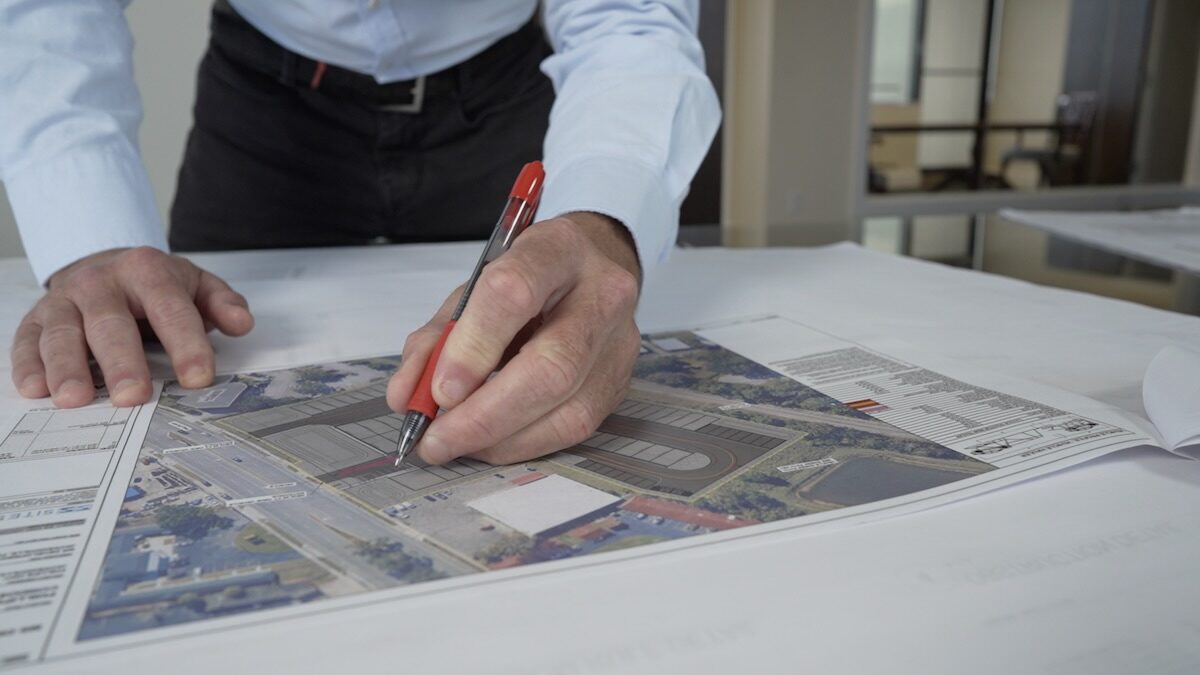
A property deal may sound profitable during the first discussion. The land has a good location, and local demand appears promising. Then construction estimates arrive higher than expected. Planning rules reduce the number of units you can build.
These problems can destroy your projected return before construction begins. A real estate feasibility study helps you discover them much earlier.
The study tests your idea against market demand and actual costs. It also reviews planning rules, funding needs, and possible project risks.
You are not trying to prove your idea works. You are checking whether the numbers support your initial plan.
Define Your Development Idea
Start by writing a clear description of your proposed development. Everyone involved should understand exactly what you plan to build. Include the property type and proposed number of units. Add your target customer and expected project completion date.
Your initial brief should answer these practical questions:
- What property will the completed project provide?
- Who will purchase or lease the finished space?
- How much land will the development require?
- Which price range suits your selected customer?
- When should construction and sales finish?
A clear project brief gives your research a fixed direction. Without one, different consultants may test completely different ideas.
Check the Land and Planning Rules
Your next step involves checking what the site can support. Attractive land does not always provide useful development potential. Review local zoning rules before preparing detailed building plans. These rules may limit height, density, access, and parking.
You should also examine the property title carefully. Easements or access restrictions can reduce the buildable area.
Physical site conditions deserve the same level of attention:
- Poor soil may require more expensive foundation work.
- Flood risks may increase drainage and insurance expenses.
- Missing utility connections can raise early construction costs.
- Limited road access may delay equipment and deliveries.
- Steep land may require major grading work.
Speak with the local planning department during this stage. Ask for written guidance about the proposed use whenever possible.
Research Local Market Demand
A project cannot succeed without enough buyers or tenants. General market growth does not prove demand for your property.
Define your customer before gathering market information. Apartment buyers need different research from warehouse tenants. Study recent sales and signed lease agreements nearby. Compare properties with similar locations, sizes, and customer groups.
Useful market research should answer these questions:
- How many comparable properties are currently available?
- What prices have local customers recently accepted?
- How long do similar properties take to sell?
- Which new projects will enter the market soon?
- What features influence local purchase decisions?
Prepare a Detailed Cost Estimate
Many development proposals fail because early budgets miss important expenses. A single cost per square foot gives limited guidance. Break every project expense into a separate category. Detailed figures make later financial testing much more useful.
Your cost plan should include:
- Land price and related closing expenses
- Architecture and engineering fees
- Planning applications and building permits
- Site preparation and utility connections
- Labor and construction materials
- Loan interest and lender charges
- Insurance and property taxes
- Sales commissions and marketing expenses
- Legal and accounting fees
- A suitable construction contingency
Forecast Project Revenue
Revenue estimates should come from current local evidence. Personal confidence cannot replace recent sales and rental information.
For a sales project, estimate each unit price carefully. You should also forecast how many units may sell monthly. For rental developments, calculate expected monthly rent. Then subtract vacancy periods, management fees, repairs, and operating expenses.
Do not assume every unit sells immediately after completion. Slower sales increase interest charges and delay your final return.
Use a cautious price when comparable evidence varies. Your proposal should work without depending on the highest possible outcome.
Make a Clear Final Decision
Finish your report with one direct recommendation. Avoid hiding serious problems under long technical explanations.
Your conclusion should select one of four actions:
- Proceed because the project supports acceptable returns.
- Revise the design or pricing before proceeding.
- Pause until missing information becomes available.
- Reject the project because risks exceed expected returns.
Explain which assumptions influenced your recommendation most. Investors should understand what could change the final decision. A real estate feasibility study cannot remove every risk. It can stop you from entering a project with unsupported numbers.
Sometimes the study confirms a valuable development opportunity. Other times, it protects your money before mistakes become expensive.