Why Termite Control Should Be Part of Your Home Maintenance Plan
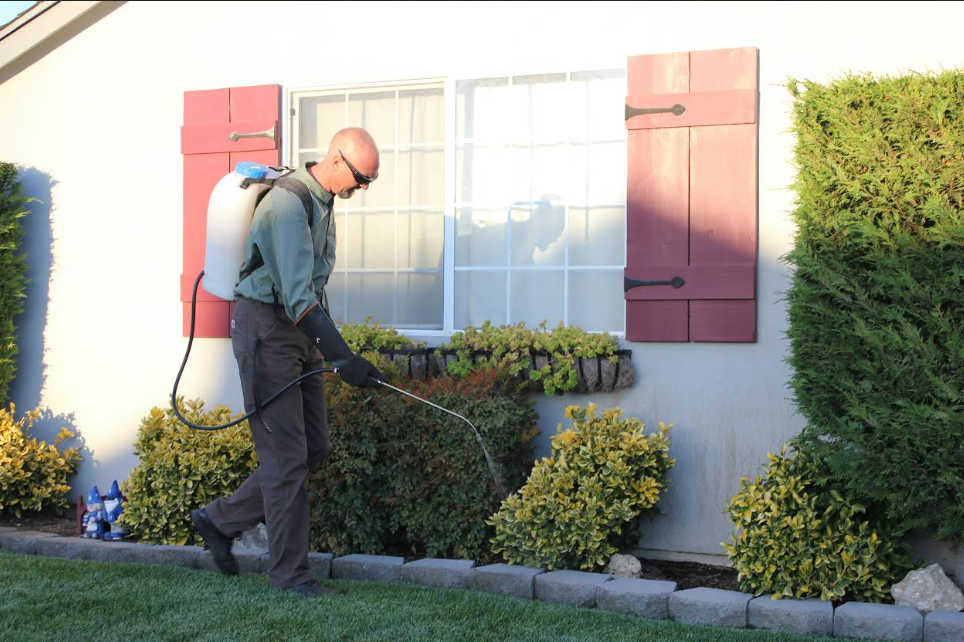
Home maintenance involves more than keeping rooms clean and ensuring household systems function properly. Protecting the structure from hidden damage is equally important, especially when termites are present. These destructive pests feed on cellulose found in wood and other plant-based materials, often damaging properties long before homeowners notice their activity. Including termite control in a regular home maintenance plan provides an effective way to protect your investment and preserve your property’s condition over time.
In this blog post, we’ll explore why termite control should be part of your home maintenance plan. Read on!
Protect Your Home From Structural Damage
Termites are known for attacking wooden structures, including floor joists, wall studs, roof supports, and window frames. Their activity often remains concealed behind walls or beneath flooring, allowing damage to progress without obvious warning signs. Over time, weakened wooden components may compromise the stability of affected areas.
Routine termite inspections allow professionals to identify potential infestations before the damage becomes extensive. Early intervention also reduces the likelihood of costly structural repairs. By treating termite prevention as a regular maintenance responsibility, homeowners gain a practical way to preserve the strength and durability of their properties.
Lessen Unexpected Repair Expenses
Home repairs often become more expensive when problems remain undetected for extended periods. Termite damage follows this pattern because colonies gradually consume wood from within, leaving surfaces that may appear intact despite internal deterioration.
Addressing termite activity early often limits the amount of damaged material requiring replacement. Professional inspections also provide an opportunity to identify conditions that encourage infestations, such as persistent moisture around wooden structures. Taking preventive measures before termites become established offers a more manageable approach to property maintenance than waiting until visible damage demands immediate attention.
Preserve Your Property Value
A home’s condition influences its market appeal and potential resale value. Evidence of termite activity or extensive structural damage may concern prospective buyers, particularly when repairs have been neglected or the extent of an infestation remains uncertain.
Regular termite control demonstrates a proactive approach to property ownership. Inspection records and documentation of completed treatments provide useful information about the home’s maintenance history. These records also offer reassurance to potential buyers that termite concerns have received appropriate attention.
Maintaining a termite-free property supports long-term ownership goals and reduces the risk of pest-related issues complicating a future sale.
Identify Hidden Infestation Warning Signs
Termites frequently remain out of sight, making routine monitoring especially valuable. Homeowners may notice subtle indicators, including discarded wings near windows, mud tubes along foundation walls, or wood that sounds hollow when tapped. Small piles of termite droppings may also indicate activity from certain species.
Recognizing these signs early encourages timely professional assessment. However, the absence of visible evidence does not guarantee that a property is free from termites. Some infestations develop in concealed locations, including crawl spaces and wall cavities.
Scheduling periodic inspections provides a more reliable way to assess potential risks than depending solely on visible warning signs.
Maintain a Consistent Prevention Schedule
Effective termite management requires ongoing attention rather than a single treatment. Soil conditions, drainage problems, nearby vegetation, and wood-to-ground contact may influence the likelihood of termite activity around a property. Addressing these conditions alongside professional pest control strengthens a home’s overall protection.
Homeowners should arrange inspections at intervals recommended by a qualified pest control professional, based on local termite risks and the property’s construction. Keeping gutters clear, correcting plumbing leaks, and ensuring proper drainage also reduce moisture conditions that attract certain termite species. A consistent prevention schedule keeps termite concerns on the home maintenance agenda instead of leaving them until damage becomes apparent.
Termite control deserves the same attention as other essential home maintenance tasks because its benefits extend beyond immediate pest removal. Regular inspections support structural protection, limit repair costs, and preserve property value over time.
By establishing a preventive schedule and responding promptly to warning signs, homeowners gain a more dependable approach to protecting their investment. Reaching out to experienced termite control professionals, such as those from Eary Termite & Pest Services, also provides access to appropriate treatment recommendations based on the property’s specific needs. Consistent prevention remains one of the most practical ways to reduce termite-related risks and maintain a safer, more durable home.