5 Hidden Home Design Tricks That Instantly Boost Your Space’s Value

5 Hidden Home Design Tricks That Instantly Boost Your Space’s Value
In today’s competitive real estate market, maximizing your home’s value isn’t just about renovations, it’s about smart, strategic design choices that enhance both aesthetics and functionality. While major renovations can be costly, small yet impactful tweaks can dramatically increase your property’s appeal to buyers or simply elevate your daily living experience.
Whether you’re preparing to sell, looking to improve your quality of life, or simply curious about design psychology, these five hidden home design tricks will transform your space in ways that feel luxurious without breaking the bank.
—
1. Strategic Lighting: The Secret to a Larger, Brighter Space
Lighting is one of the most underrated yet powerful design elements. Poor lighting can make a room feel cramped and unwelcoming, while the right lighting can open up a space, create depth, and even alter the perceived size of a room.
How to Optimize Lighting for Maximum Impact
- Layer Your Lighting
- Ambient Lighting: Use recessed ceiling lights or a statement chandelier to provide overall illumination.
- Task Lighting: Add under-cabinet lights in kitchens, reading lamps in bedrooms, or desk lamps in home offices.
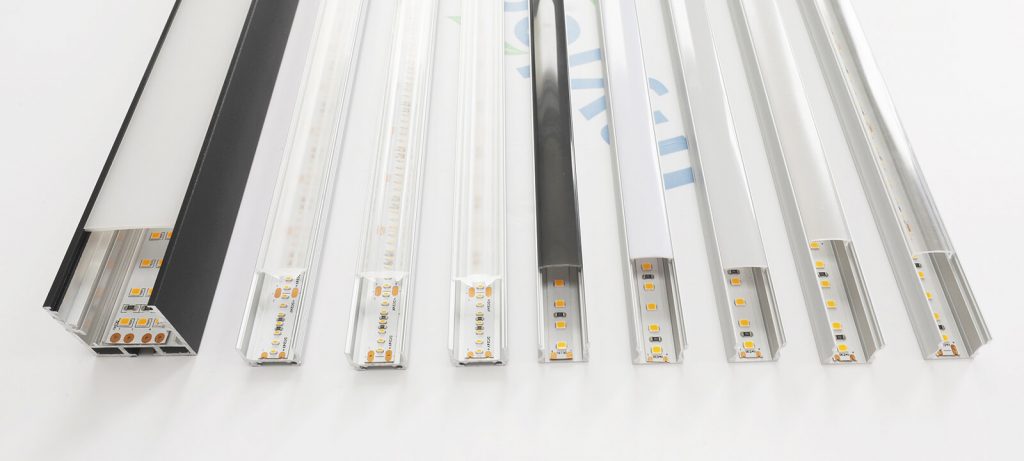
- Accent Lighting: Highlight artwork, shelves, or architectural features with LED strips or spotlights to draw attention to key areas.
- Choose the Right Bulbs
- Warm White (2700K-3000K): Creates a cozy, inviting atmosphere, ideal for living rooms and bedrooms.
- Cool White (4000K-5000K): Brightens spaces like kitchens and bathrooms, making them feel more hygienic and spacious.
- Smart Bulbs: Allow you to adjust color temperature and brightness with voice commands or a smartphone app.
- Mirror Magic
- Place mirrors opposite windows to double natural light and create an illusion of a larger space.
- Consider frameless mirrors in narrow hallways or small bathrooms to maintain an open feel.
- Avoid Overcrowding Light Fixtures
- Too many lights can look cluttered. Instead, space them evenly and use dimmers to control intensity.
Why It Works: Bright, well-lit spaces feel more inviting and appear larger, making them more attractive to potential buyers or simply more enjoyable to live in.
—
2. The Power of Neutral Tones with Pop Accents
Color psychology plays a huge role in how we perceive a space. While bold colors can be expressive, they may not appeal to everyone. Neutral tones create a timeless, versatile backdrop that allows for personalization while strategic pops of color can add energy and character.
How to Apply This Design Trick
- Use a Neutral Base (60-70% of the Room)
- Walls: Soft whites, warm grays, or light beiges.
- Flooring: Light wood, tile, or neutral carpet.
- Furniture: Mid-tone sofas, chairs, and tables in shades like taupe, sage, or soft gray.
- Add Color Through Decor (30-40% of the Room)
- Throw Pillows & Blankets: Swap them seasonally to refresh the look.
- Artwork & Frames: Bold colors in small doses make a statement.
- Rugs: A vibrant rug anchors a neutral space and adds warmth.
- Curtains & Upholstery: Deep blues, emerald greens, or mustard yellows in small doses can elevate a room.
- Limit to 2-3 Accent Colors
- Too many colors can create visual chaos. Stick to a cohesive palette (e.g., a neutral base with one primary accent color and one secondary).
- Consider Color Psychology
- Blue: Calming (great for bedrooms and bathrooms).
- Green: Refreshing and natural (ideal for living rooms and home offices).
- Terracotta & Warm Tones: Inviting and cozy (perfect for dining rooms and fireplaces).
Why It Works: Neutral spaces feel clean, modern, and universally appealing, while well-placed color adds personality and emotional warmth, making your home feel more lived-in and desirable.
—
3. Decluttering & Strategic Storage: The Key to a Luxurious Feel
A clutter-free home doesn’t just look better, it feels more spacious and luxurious. The key is hidden storage that keeps surfaces clean while maximizing functionality.
How to Declutter & Store Smartly
- Invest in Multi-Functional Furniture
- Ottomans with Storage: Double as seating and hidden compartments for blankets or shoes.
- Bedside Tables with Drawers: Keep nightstands clear while storing essentials.
- Folding Desks: Perfect for home offices that need to be tucked away when not in use.
- Use Vertical Space
- Floating Shelves: Display decor while keeping floors clear.
- Wall-Mounted Cabinets: Ideal for kitchens and bathrooms.
- Pegboards: Organize tools, kitchenware, or craft supplies in a stylish, functional way.
- The “One In, One Out” Rule
- For every new item you bring in, remove an old one to prevent accumulation.
- Donate, sell, or recycle unused items to keep your space minimalist.
- Hidden Storage Solutions
- Under-Stair Drawers: Great for extra linens or seasonal items.
- Inside Cabinet Doors: Small organizers for jewelry, spices, or toiletries.
- Beneath-Bed Storage: Use vacuum-sealed bags for off-season clothes.
- Keep Surfaces Minimal
- A clean countertop, uncluttered coffee table, and organized shelves make a room feel luxurious and intentional.
Why It Works: A tidy, organized home feels more expensive and high-end because it suggests thoughtful design and efficiency, qualities that buyers and occupants value highly.
—
4. The Illusion of Space: Design Tricks to Make Rooms Feel Bigger
If your home has small rooms, strategic design choices can trick the eye into perceiving more space. These techniques are especially valuable in urban apartments, compact homes, or rooms with limited square footage.
How to Create the Illusion of Space
- Use Light Colors on Walls & Ceilings
- White or light gray ceilings make rooms feel taller.
- Light wall colors (beige, soft blue, or pale yellow) expand the walls.
- Opt for Large-Scale Furniture
- A sectional sofa or large area rug (anchoring the space) makes a room feel more defined and expansive.
- Avoid tiny furniture that makes a room feel cramped.
- Mirror Placement
- Place a floor-to-ceiling mirror opposite a window to double the natural light and reflect space.
- In narrow hallways, vertical mirrors elongate the area.
- Open Shelving & Glass Dividers
- Replace solid cabinet doors with glass or open shelving to create a flow between rooms.
- Use room dividers with glass panels (like a glass screen) instead of solid walls.
- Maximize Natural Light
- Sheer curtains allow light to filter through while maintaining privacy.
- Skylights or large windows (if possible) flood rooms with daylight.
- Minimize Heavy Furniture & Dark Colors
- Dark furniture and heavy drapes can make a room feel smaller.
- Instead, choose light wood, metal, or acrylic furniture for a sleek, airy look.
Why It Works: These tricks psychologically expand your space, making it feel more luxurious, open, and desirable, whether you’re selling or simply enjoying your home.
—
5. Personal Touches That Add Value (Without Overdoing It)
While neutral palettes and open spaces are universally appealing, personal touches make a home feel lived-in, warm, and unique. The key is balance, adding character without overwhelming the space.
How to Add Value with Personalization
- Curate a Gallery Wall
- Mix framed art, photographs, and small decor items for a personalized yet cohesive look.
- Use floating shelves instead of a full wall for a lighter touch.
- Incorporate Natural Elements
- Plants (real or faux) bring life and freshness.
- Wooden accents (tables, shelves, or flooring) add warmth.
- Stone or marble (in small doses) elevates a space’s sophistication.
- Textiles Matter
- Layered rugs (a small one over a larger base) add depth.
- Throw pillows and blankets in complementary textures (linen, velvet, or knit) invite comfort.
- Curtains with texture