Timber Singapore: Quality Wood Materials for Construction & Furniture
The story of Timber Singapore is, in many ways, the story of a paradox: a city-state with virtually no natural forests has become one of Southeast Asia’s most sophisticated timber trading hubs, where quality wood materials flow through ports and warehouses to feed the appetites of construction projects, furniture makers, and renovation contractors. This transformation has not diminished Singapore’s relationship with wood but rather reconfigured it, turning the nation into a critical node in global timber supply chains. The timber that arrives at Singapore’s docks carries with it stories from distant forests, ecological consequences both troubling and hopeful, and the complex calculus of balancing development needs against environmental responsibility.
The Timber Landscape: Sources and Species
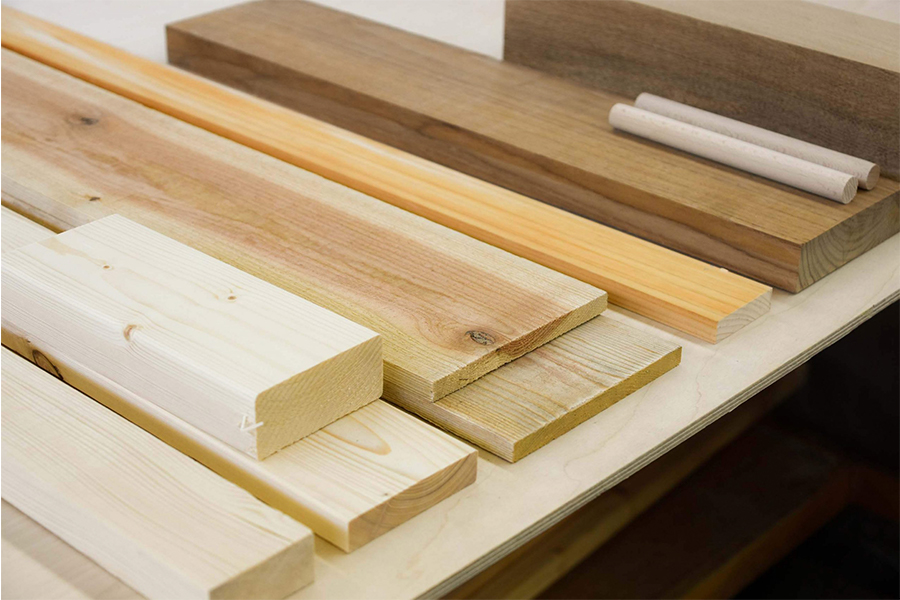
Walk through any timber singapore facility and you encounter wood from across the globe. Malaysian Meranti arrives alongside Indonesian Merbau, whilst Scandinavian spruce shares warehouse space with North American Douglas fir. This diversity reflects both Singapore’s trading heritage and the varied requirements of modern construction and furniture manufacturing.
The most commonly available timber species in Singapore include:
- Tropical hardwoods
Chengal, Balau, Kapur, and Merbau dominate outdoor applications, prized for their natural durability and resistance to tropical conditions.
- Temperate softwoods
Pine, spruce, and fir serve indoor construction needs, offering cost-effectiveness and workability.
- Engineered wood products
Plywood, laminated veneer lumber, and cross-laminated timber combine natural material properties with engineered consistency.
- Specialty timbers
Teak, oak, and walnut cater to high-end furniture and interior finishing markets.
The Building and Construction Authority notes that timber use in Singapore construction must comply with strict standards, with an emphasis on treated timber for structural applications and certified sustainable sources for government projects.
Applications Across Industries
The timber singapore market serves diverse sectors, each with distinct requirements. In construction, timber performs roles ranging from temporary formwork to permanent structural elements in low-rise residential buildings. The material’s strength-to-weight ratio makes it particularly suitable for roof trusses.
Renovation and interior design represent substantial timber consumers. Flooring remains perhaps the most visible application, with homeowners choosing between solid timber planks that can be refinished multiple times and engineered boards that offer dimensional stability in Singapore’s humid climate. Wall panelling, ceiling features, and custom millwork transform timber Singapore supplies into warm, natural aesthetics.
The furniture manufacturing sector continues utilizing both imported finished timber and raw materials for bespoke pieces. Workshops scattered across industrial estates transform logs and planks into dining tables, wardrobes, and decorative items.
Quality Considerations and Grading Systems
Timber Singapore suppliers typically classify wood according to appearance grades and structural grades, each serving different purposes.
Appearance grading focuses on visual characteristics:
- Clear grade
Minimal knots, uniform colour, suitable for visible applications where aesthetics matter.
- Select grade
Some character marks, appropriate for most furniture and interior work.
- Common grades
More knots and colour variation, often used where appearance proves secondary to function.
Structural grading considers mechanical properties, with classifications based on strength, stiffness, and reliability under load. Engineers specifying timber for construction rely on these grades to ensure safety margins and compliance with building codes.
Moisture content represents another critical quality parameter. Timber dried to appropriate levels, typically between 12 and 18 percent for Singapore’s climate, resists warping, splitting, and fungal growth. As one timber industry veteran observed, “In Singapore’s humidity, moisture management makes the difference between timber that lasts decades and timber that fails within years.”
The Sustainability Question
Perhaps no aspect of timber singapore generates more concern than the environmental implications of wood consumption. Singapore’s position as a timber trading hub has historically meant that wood from questionable sources could enter supply chains.
The Forest Stewardship Council and Programme for the Endorsement of Forest Certification provide independent verification that timber originates from responsibly managed forests. Singapore’s government procurement policies increasingly favour certified timber materials, creating market incentives for sustainable sourcing.
Yet certification alone cannot resolve the fundamental tension between development demands and forest conservation. The tropical hardwoods prized for their durability grow slowly, requiring decades or centuries to reach harvestable size.
Treating and Preserving: Extending Service Life
The tropical environment that makes Singapore comfortable for humans proves challenging for timber. High temperatures, constant humidity, and diverse insect populations create conditions where untreated wood deteriorates rapidly.
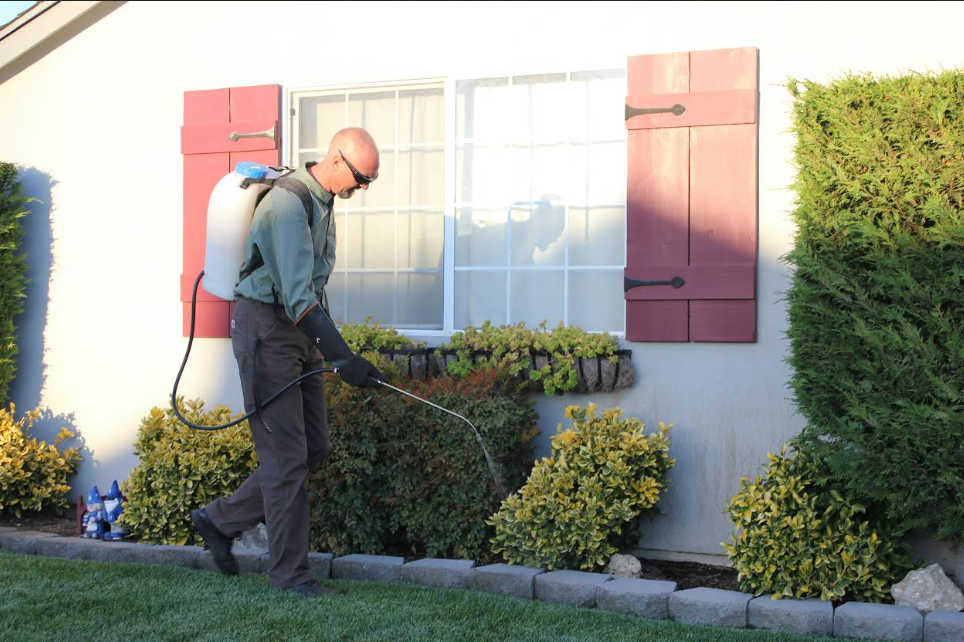
Pressure treatment forcing preservatives deep into wood fibres provides long-term protection against fungal decay and termite attack. Heat treatment offers a chemical-free alternative, altering wood chemistry through controlled heating cycles. Surface treatments including oils, stains, and sealants protect against moisture ingress and ultraviolet degradation.
Making Informed Choices
For builders, renovators, and furniture makers navigating the timber Singapore market, several principles guide wise selection. Match species to application, choosing durable hardwoods for exposed exterior elements whilst reserving expensive timbers for applications where their properties justify costs. Verify certifications and request documentation tracing timber origins. Consider lifecycle costs rather than merely initial prices, recognizing that quality timber maintained properly outlasts cheaper alternatives requiring frequent replacement.
The choices made today about timber sourcing, treatment, and application ripple outward, affecting distant forests, local air quality, and the built environment’s longevity. In a city where nature exists largely in managed parks, the wood materials that flow through timber singapore supply chains represent tangible connections to ecosystems beyond the urban horizon, carrying both the promise of renewable resources and the responsibility to ensure that promise remains viable for generations yet to come.