Why Lockouts Happen at the Worst Possible Moments
You pull the door shut, hear the click, and instantly realise your keys are still sitting on the kitchen bench. Or worse, it’s pouring with rain, you’re exhausted after a long day, and you’re now standing outside your own house, not sure what to do next.
Lockouts have a cruel sense of humour. Then again, while they may feel like pure bad luck, most lockouts are the result of predictable patterns.
Once you understand the common triggers, you can dramatically reduce how often they happen and handle the occasional one far more smoothly.
Human Error: The #1 Culprit
Let’s be honest — the majority of lockouts come down to simple human error.
You’re rushing out the door thinking about your meeting, the school run, or what to make for dinner, and the keys get left behind. It’s not that you’re careless. Your brain is just juggling too many things at once.
Mornings are especially dangerous. When you’re on autopilot trying to get everyone out on time, it’s easy to miss the small stuff.
The fix is surprisingly simple:
Create a “home” for your keys, which is a dedicated hook, bowl, or tray right by the door. Make it a non-negotiable habit to hang your keys there every single time you walk in.
Pair it with a quick “keys, phone, wallet” check before you leave. These tiny systems beat good intentions every time.
When the Lock Itself Is the Problem
Sometimes it’s not you — it’s the lock. Over the years, locks get stiff, misaligned, or just plain worn out.
You might notice the key starting to stick, or the door feeling harder to open, but most of us ignore these warning signs until the lock decides to fail completely at the worst moment.
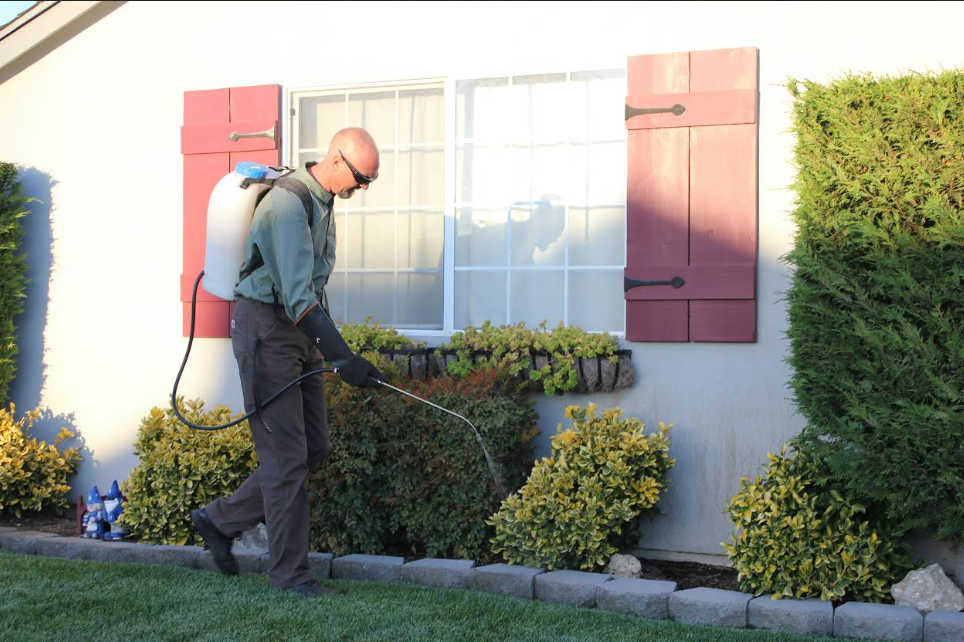
A little regular maintenance goes a long way. A quick spray of suitable lubricant a few times a year can keep things moving smoothly. If your lock feels increasingly stubborn, don’t wait. Get it looked at or replaced before it leaves you stranded.
Investing in better-quality locks from the start can also save you plenty of headaches down the track.
Weather: The Sneaky Trigger Many People Forget
Cold, rain, and extreme heat can all turn a perfectly good lock into your enemy.
In winter, moisture can freeze inside the mechanism, making it almost impossible to turn the key. In summer, heat can cause doors and frames to expand, leading to sticking and misalignment.
These problems often appear suddenly, especially during seasonal changes, but you can still counter them with a few smart actions.
Here are simple prevention tips:
- Keep locks clean and free of dirt buildup;
- Use the right lubricant for your lock type;
- Address any stiffness as soon as you notice it.
A little seasonal care can stop weather-related lockouts before they start.
When Emergencies Make Lockouts Even Worse
Lockouts become ten times more stressful when they happen during an emergency.
You could be rushing back from work because you forgot something important, or arriving home late after a long day, only to find yourself locked out in the pouring rain. The added pressure can turn a minor inconvenience into a major crisis.
In these high-stress moments, panic sets in fast. Clear thinking disappears, and what should be a simple problem quickly feels overwhelming. You’re tired, frustrated, and just want to get inside.
This is exactly why preparation matters so much. Having a spare key stored securely in a weatherproof lockbox, with a trusted neighbour, or with a family member nearby, can save you valuable time and stress.
For those who want even more peace of mind, upgrading to a keyless entry system removes the worry of physical keys altogether.
Planning ahead for these “what if” scenarios might feel like overkill in calm moments, but it’s often what keeps a bad situation from becoming much worse.
How Busy Modern Life Makes Lockouts More Likely
Today’s fast-paced lifestyle doesn’t help. Between work, family commitments, errands, and constant notifications, our brains are constantly overloaded.
When your mind is elsewhere, even simple routines become unreliable. You’re not forgetful — you’re just mentally stretched thin.
That’s why building better systems is so effective. Fixed spots for your keys, small consistent habits, and helpful tech like key finders that connect to your phone can take a lot of the mental load off and prevent many unnecessary lockouts.
Keyless Entry Systems: A Smart Modern Fix
More and more Kiwis are moving to keyless entry systems, and for good reason. Instead of fumbling with keys, you can unlock your door with a code, your smartphone, or a key fob.
You can even create temporary codes for tradies, visitors, or delivery drivers and delete them afterwards.
The best part? Fewer lost keys and fewer expensive emergency locksmith callouts. It’s a one-time investment that brings long-term convenience and peace of mind, especially for busy households and families.
When You Need Professional Help
Even with the best prevention habits, lockouts can still happen. When they do, you want fast, reliable help without the added stress.
This is where professional locksmiths become invaluable. A good local team can get you back inside quickly, safely, and without damaging your door or lock.
Reputable services offering 24/7 lockout assistance respond quickly, even at night, on weekends, or during holidays. They’re equipped to handle everything from standard residential lockouts to more complex situations involving broken keys or faulty locks.
Choosing a trusted local provider means faster response times and the peace of mind that comes with knowing experienced professionals are on their way.
Don’t wait until you’re stuck outside. Save the number of a reliable 24/7 lockout assistance near you in your phone right now. It’s one of those things you’ll be glad you prepared for when the unexpected happens.
Breaking the Lockout Cycle
Most lockouts follow the same familiar story: rushing + distraction + no backup plan.
You can break this cycle with just a few smart, low-effort changes:
- Always keep keys in the same designated spot;
- Do a quick “keys check” before leaving the house;
- Maintain your locks regularly;
- Keep a spare key in a safe, accessible place;
- Consider upgrading to keyless entry if lockouts happen often;
It’s not about being perfect. It’s about making mistakes much less likely in the first place.
Conclusion
At the end of the day, getting locked out is one of those small frustrations that can completely derail your day — but it doesn’t have to be a recurring nightmare.
By understanding why lockouts happen so often at the worst possible times, you’re already halfway to solving the problem. The real secret lies in building simple systems, staying on top of basic maintenance, and having a solid backup plan ready for when life throws a curveball.
Make a few thoughtful changes today. Because coming home should feel like relief, not another problem to solve.