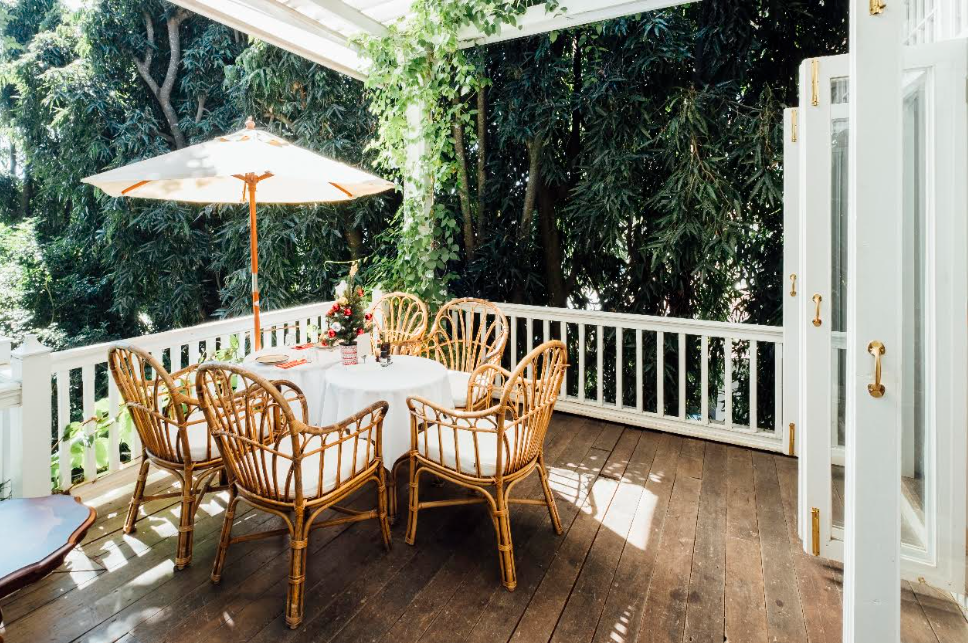
Reviving Spaces: Transforming Your Home with Timeless Interior Elegance

Reviving Spaces: Transforming Your Home with Timeless Interior Elegance
In a world where trends come and go, the allure of a timeless interior design remains unshakable. A home that exudes elegance through the ages is not just aesthetically pleasing—it fosters a sense of comfort, sophistication, and permanence. Unlike fleeting fads, timeless design embraces classic elements that transcend generations, creating spaces that feel both familiar and fresh. Whether you’re renovating a single room or reimagining your entire home, infusing timeless elegance can elevate your living experience. This guide explores how to achieve a sophisticated, enduring aesthetic that reflects your personal style while standing the test of time.
The Philosophy of Timeless Design
At its core, timeless interior design is about balance—harmonizing form and function without succumbing to the pressures of passing trends. The philosophy revolves around three key principles: simplicity, quality, and versatility. Simplicity ensures that spaces feel uncluttered and intentional, while quality materials and craftsmanship guarantee durability and visual appeal. Versatility allows a design to adapt seamlessly to changing lifestyles and tastes, making it a worthwhile investment. By focusing on these principles, you create a foundation that feels both intentional and enduring.
Another essential aspect of timeless design is the use of neutral color palettes. Shades like beige, taupe, cream, and soft gray serve as a blank canvas, allowing you to layer textures and accents without overwhelming the space. These colors also have the advantage of blending effortlessly with various decor styles, from traditional to modern. The key is to select hues that evoke warmth and tranquility, creating an inviting atmosphere that feels both welcoming and refined.
Choosing Timeless Furniture Pieces
Furniture is the backbone of any interior design scheme, and selecting the right pieces is crucial for achieving timeless elegance. Start by investing in classic silhouettes that have proven their staying power over the years. Think of the Chesterfield sofa, the mid-century modern armchair, or the farmhouse dining table—each of these designs has a legacy that speaks to its enduring appeal. When shopping for furniture, prioritize craftsmanship and materials. Solid wood, genuine leather, and high-quality upholstery will not only last longer but also develop a beautiful patina over time, adding character to your space.
Another tip is to avoid overly trendy furniture styles that may feel dated in a few years. Instead, opt for clean lines, balanced proportions, and understated details. Furniture with simple yet elegant features, such as turned legs, recessed panels, or subtle carvings, can add depth to a room without overwhelming it. Additionally, consider the scale of your furniture in relation to the room. A well-proportioned space feels harmonious and intentional, while oversized or undersized pieces can disrupt the flow.
- Invest in statement pieces: A single high-quality item, like an antique credenza or a vintage Persian rug, can anchor a room and set the tone for the rest of the design.
- Mix old and new: Combining heirloom furniture with contemporary pieces creates a layered, collected-over-time look that feels authentic and timeless.
- Prioritize comfort: Timeless design isn’t just about appearance—it’s about creating spaces that are as functional as they are beautiful. Choose furniture that invites relaxation and conversation.
Incorporating Natural Materials
Nature has long been a source of inspiration for interior design, and for good reason. Natural materials like wood, stone, linen, and wool bring warmth, texture, and authenticity to a space. Unlike synthetic alternatives, these materials age gracefully, developing a rich patina that adds depth and character over time. Incorporating natural elements into your home not only enhances its aesthetic appeal but also promotes a sense of well-being by connecting you to the outdoors.
Wood is perhaps the most versatile natural material, available in a wide range of grains, colors, and finishes. Whether you choose oak, walnut, or teak, wood can be used for flooring, cabinetry, furniture, and decorative accents. For a timeless look, opt for warm, light woods in spaces that receive plenty of natural light, or deeper, richer tones for cozier, intimate areas. Stone, another enduring material, can be incorporated through countertops, fireplaces, or accent walls. Marble, granite, and slate each offer unique textures and patterns that elevate a space while standing the test of time.
Textiles also play a crucial role in adding warmth and softness to a room. Natural fibers like linen, cotton, and wool are breathable, durable, and inherently elegant. They can be used for upholstery, curtains, rugs, and throw pillows, allowing you to layer textures without cluttering the space. When selecting textiles, consider their durability and ease of maintenance. For example, a wool rug may be more resilient than a delicate silk one, making it a better choice for high-traffic areas.
Lighting: The Key to Timeless Sophistication
Lighting is often an overlooked element in interior design, yet it has the power to transform a space from ordinary to extraordinary. The right lighting can highlight architectural features, create ambiance, and even influence your mood. For a timeless look, focus on fixtures that blend seamlessly with your overall design scheme while providing functional illumination. Avoid overly trendy or gimmicky lighting pieces that may feel dated in a few years.
Start with layered lighting, which combines ambient, task, and accent lighting to create a balanced and inviting atmosphere. Ambient lighting, such as chandeliers, pendant lights, or recessed lighting, provides general illumination for the room. Task lighting, like desk lamps or under-cabinet lighting, focuses on specific areas where you need extra light for activities like reading or cooking. Accent lighting, including wall sconces, picture lights, or LED strips, highlights artwork, architectural details, or decorative objects.
When selecting light fixtures, prioritize classic designs that have stood the test of time. For example, a crystal chandelier or a brass table lamp can add a touch of glamour to a space, while a simple, minimalist floor lamp offers a more contemporary feel. The key is to choose fixtures that complement your design style while providing the right amount of light. Additionally, consider the scale of your lighting pieces—oversized fixtures can overwhelm a room, while undersized ones may feel insignificant.
- Mix metals for depth: Combining finishes like brass, gold, and silver can add visual interest and a collected-over-time feel to your lighting scheme.
- Use dimmers: Installing dimmer switches allows you to adjust the lighting to suit different moods and occasions, making your space more versatile.
- Highlight architectural features: Use lighting to draw attention to special elements like a fireplace, a gallery wall, or a coffered ceiling.
Art and Decorative Accents: The Finishing Touches
Art and decorative accents are the elements that truly personalize a space, infusing it with your unique style and character. When selecting artwork, opt for pieces that resonate with you emotionally rather than chasing fleeting trends. Timeless art often features classic themes, such as landscapes, portraits, or abstract compositions with a harmonious color palette. Whether you choose a large statement painting, a collection of framed prints, or a sculptural piece, ensure that it complements the overall design of the room.
Decorative accents, such as vases, mirrors, and decorative objects, add the final layer of elegance to your space. The key is to strike a balance between too many and too few—enough to create visual interest without overwhelming the room. When curating accents, consider their scale, color, and texture. For example, a large mirror can reflect light and make a space feel larger, while a collection of small ceramic vases can add a touch of whimsy and color.
Another important aspect of timeless decor is the use of symmetry and balance. Symmetrical arrangements, such as matching table lamps on either side of a sofa or a pair of identical chairs flanking a fireplace, create a sense of order and harmony. Asymmetrical arrangements can also be effective, as long as they are thoughtfully composed to maintain visual equilibrium. The goal is to create a space that feels cohesive and intentional, with each element contributing to the overall aesthetic.
Sustainability and Timeless Design
In today’s world, sustainability is an integral part of responsible design. Timeless interiors naturally align with eco-friendly principles by prioritizing quality over quantity and durability over disposability. Investing in well-made, long-lasting pieces reduces the need for replacements and minimizes waste. Additionally, choosing sustainable materials like reclaimed wood, recycled metal, or organic fabrics further enhances the environmental credentials of your design.
Another way to incorporate sustainability into your timeless design is by repurposing or upcycling existing furniture and decor. A vintage chair can be reupholstered with eco-friendly fabric, or an old dresser can be refinished to match your new color scheme. Not only does this approach reduce waste, but it also adds a layer of history and character to your space. By embracing sustainable practices, you can create a home that is not only beautiful and timeless but also kind to the planet.
Creating a Timeless Color Palette
A well-chosen color palette is the foundation of a timeless interior. While bold colors have their place, neutrals and muted tones provide the flexibility to evolve with your tastes and lifestyle. Start by selecting a base color for your walls, such as a soft cream, warm gray, or pale blue. These hues create a calm backdrop that allows you to layer in bolder accents through furniture, textiles, and artwork. Consider using a monochromatic scheme, where varying shades of a single color create depth and sophistication, or a complementary palette, where two or three colors sit opposite each other on the color wheel for a harmonious yet dynamic look.
When incorporating color, think in terms of percentages. A general rule is to use 60% of your dominant color (walls, large furniture pieces), 30% of a secondary color (upholstery, rugs), and 10% of an accent color (pillows, artwork). This approach ensures that your space feels balanced and cohesive without feeling monotonous. Additionally, consider the psychological impact of color—warm tones like terracotta and ochre create a cozy, inviting atmosphere, while cooler shades like sage green and slate blue evoke a sense of calm and serenity.
Final Thoughts: Embracing Elegance That Lasts
Transforming your home with timeless interior elegance is about more than just aesthetics—it’s about creating a sanctuary that reflects your values, supports your lifestyle, and stands the test of time. By focusing on simplicity, quality, and versatility, you can design a space that feels both personal and enduring. Whether you’re drawn to classic furniture, natural materials, or a harmonious color palette, the key is to make intentional choices that resonate with you on a deeper level.
Remember, timeless design doesn’t mean sterile or boring. It’s about finding the perfect balance between elegance and comfort, tradition and innovation. As you curate your space, trust your instincts and surround yourself with pieces that bring you joy. After all, a timeless home is one that feels as good as it looks—a place where memories are made and traditions are celebrated.